
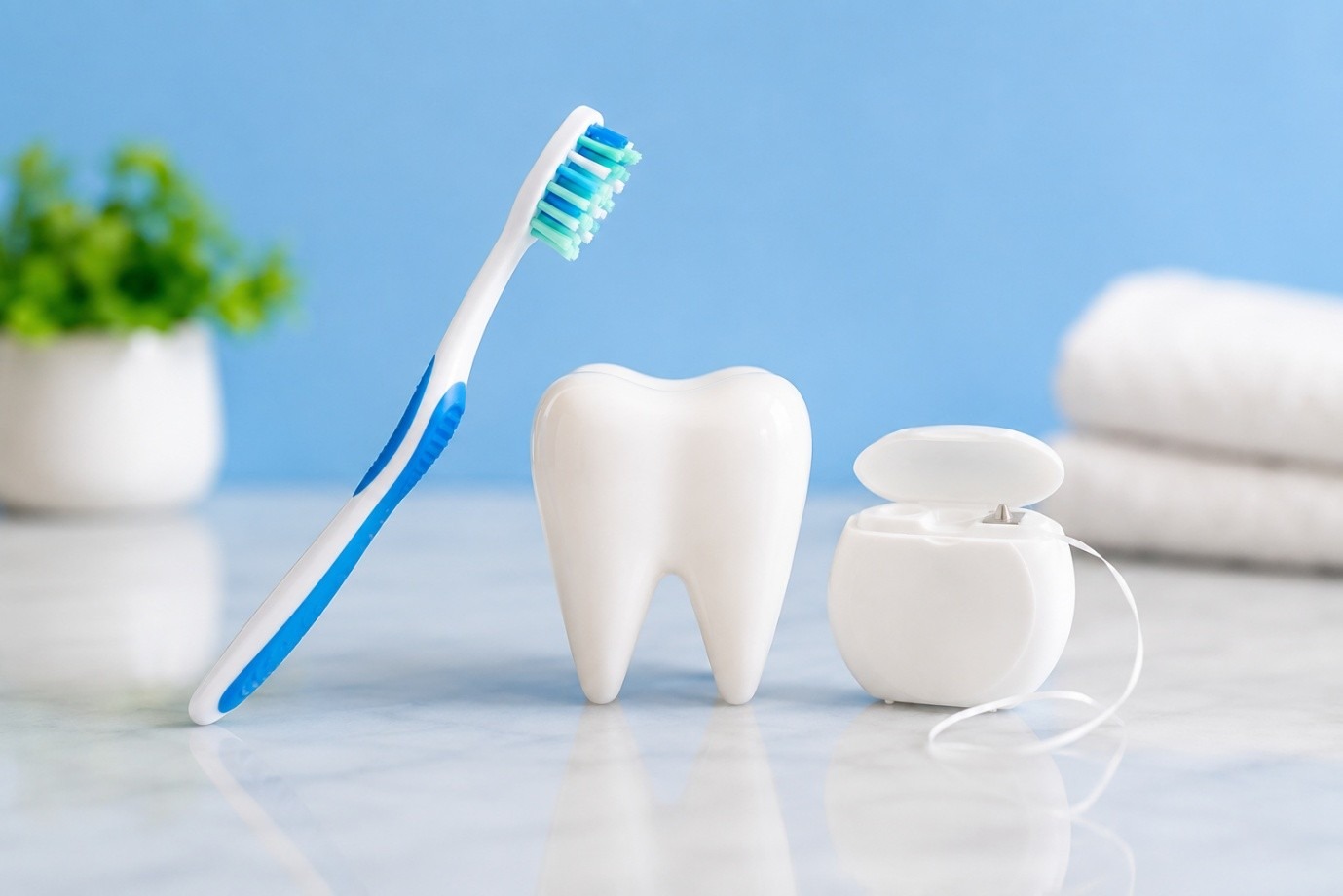
Starting orthodontic treatment is an exciting step toward achieving a straighter, healthier smile. Whether you’re wearing traditional braces or clear aligners, your teeth are gradually moving into better alignment. While this transformation can improve your appearance and oral health, it also comes with added responsibilities. One of the most important is maintaining excellent Oral Hygiene During Orthodontic Treatment.
Braces, wires, brackets, and aligners create additional spaces where food particles and plaque can accumulate. Without proper care, this buildup can increase the risk of cavities, gum disease, bad breath, and tooth discoloration. The good news is that with the right daily routine, you can protect your teeth and gums while ensuring your orthodontic treatment stays on track.
In this guide, you’ll learn practical tips to maintain good oral hygiene throughout your orthodontic journey and keep your smile healthy from start to finish.
Why Is Oral Hygiene Important During Orthodontic Treatment?
Orthodontic appliances make cleaning your teeth more challenging because food particles can easily become trapped around brackets, wires, and between teeth. Plaque forms quickly in these areas, making it easier for harmful bacteria to grow.
Poor oral hygiene during treatment may lead to:
- Tooth decay and cavities
- Swollen or bleeding gums
- Bad breath
- White spots on teeth after braces are removed
- Delayed orthodontic treatment due to dental complications
Maintaining proper oral hygiene not only protects your teeth but also helps ensure that your orthodontic treatment progresses as planned.
Common Challenges While Wearing Braces
People undergoing Braces Treatment in Bachupally often notice that cleaning their teeth requires extra time and care. Unlike natural teeth without braces, orthodontic appliances create small spaces where plaque and food debris can hide.
Some common challenges include:
- Food getting stuck around brackets.
- Difficulty cleaning between wires.
- Increased plaque buildup.
- Gum irritation.
- Higher risk of staining around brackets.
Understanding these challenges is the first step toward developing a more effective oral care routine.
1. Brush After Every Meal
Brushing twice a day is the minimum recommendation, but if you’re wearing braces, brushing after every meal is ideal.
Use a soft-bristled toothbrush or an orthodontic toothbrush to clean around the brackets and wires gently. Spend extra time brushing the gum line, chewing surfaces, and the areas surrounding each bracket.
Brushing after meals helps prevent food particles from remaining trapped and reduces plaque buildup.
2. Use Fluoride Toothpaste
Fluoride toothpaste strengthens tooth enamel and helps prevent cavities during orthodontic treatment.
Apply a pea-sized amount of fluoride toothpaste and brush for at least two minutes using gentle circular motions. Make sure every tooth surface receives equal attention.
3. Floss Every Day
Flossing becomes more difficult with braces, but it is just as important.
Use orthodontic floss threaders, special orthodontic floss, or a water flosser to clean between your teeth and beneath the wires.
Daily flossing helps:
- Remove plaque between teeth.
- Prevent gum inflammation.
- Reduce the risk of cavities.
- Maintain healthier gums.
Although it may take a few extra minutes, flossing every day is one of the best ways to protect your smile.
4. Rinse with an Antibacterial Mouthwash
After brushing and flossing, rinse with an alcohol-free antibacterial mouthwash.
A mouthwash helps reduce bacteria, freshens your breath, and reaches areas that brushing may miss.
Ask your dentist which mouthwash is best for your specific orthodontic treatment.
5. Clean Every Part of Your Braces
Brushing only the visible surfaces of your teeth isn’t enough.
Pay close attention to:
- Around each bracket.
- Under the orthodontic wire.
- Along the gum line.
- The chewing surfaces of your teeth.
- Behind your front teeth.
Taking a few extra minutes each day can significantly reduce plaque buildup.
6. Drink Plenty of Water
Water naturally helps wash away food particles and bacteria from your mouth. It also keeps your mouth hydrated and supports saliva production, which helps protect against tooth decay.
If you cannot brush immediately after eating, rinsing your mouth thoroughly with water is a helpful temporary solution.
Build Healthy Habits Throughout Your Treatment
Maintaining Oral Hygiene During Orthodontic Treatment doesn’t have to be complicated. Consistency is the key. By brushing thoroughly, flossing daily, and cleaning around your orthodontic appliances, you can protect your teeth while they are being aligned.
In the next section, we’ll discuss the best foods to eat, foods to avoid, common oral hygiene mistakes during orthodontic treatment, and when it’s important to visit your orthodontist for professional care.
Foods to Eat and Foods to Avoid During Orthodontic Treatment
Your food choices play a major role in maintaining Oral Hygiene During Orthodontic Treatment. Some foods help keep your teeth healthy, while others can damage braces or increase the risk of plaque buildup and cavities.
Foods to Eat
Choose foods that are gentle on your braces and support good oral health, such as:
- Soft fruits like bananas, papayas, and berries
- Cooked vegetables
- Yogurt and cheese
- Eggs
- Rice and pasta
- Oatmeal
- Soups
- Soft chapatis and idlis
These foods are easier to chew and less likely to damage orthodontic appliances.
Foods to Avoid
Certain foods can loosen brackets, bend wires, or get stuck between your braces. Try to avoid:
- Hard candies
- Popcorn
- Nuts
- Ice cubes
- Sticky sweets like caramel and chewing gum
- Crunchy chips
- Hard biscuits
- Sugary soft drinks
Limiting sugary foods also helps reduce the risk of cavities while wearing braces.
Common Oral Hygiene Mistakes During Orthodontic Treatment
Even patients who brush regularly can make small mistakes that affect their oral health during treatment.
Some of the most common mistakes include:
- Skipping flossing because it takes extra time.
- Brushing quickly instead of cleaning every tooth thoroughly.
- Ignoring the gum line.
- Using too much pressure while brushing.
- Forgetting to clean around the brackets and wires.
- Missing scheduled orthodontic appointments.
- Eating foods that can damage braces.
Avoiding these habits can help keep your treatment on schedule and protect your smile.
Don’t Miss Your Orthodontic Appointments
Regular dental and orthodontic check-ups are just as important as your daily brushing routine. During these visits, your orthodontist can:
- Check the progress of your treatment.
- Adjust your braces if needed.
- Remove plaque or tartar buildup.
- Identify early signs of tooth decay or gum disease.
- Answer questions about caring for your braces.
Patients receiving Orthodontic Care in Bachupally should follow the appointment schedule recommended by their orthodontist to achieve the best possible results.
Signs You Should Visit Your Dentist Immediately
While mild discomfort after adjustments is normal, some symptoms should not be ignored.
Schedule a dental visit if you notice:
- Persistent tooth pain
- Bleeding or swollen gums
- Loose brackets or broken wires
- White spots on your teeth
- Bad breath that doesn’t improve with brushing
- Difficulty chewing because of damaged braces
Early treatment can prevent minor issues from becoming more serious.
Keep Your Smile Healthy Throughout Your Orthodontic Journey
Maintaining Oral Hygiene During Orthodontic Treatment requires patience and consistency, but the results are worth the effort. A good oral care routine not only protects your teeth and gums but also helps ensure your braces or aligners deliver the best possible outcome.
If you’re undergoing Braces Treatment in Bachupally, regular dental check-ups and proper home care can make your treatment smoother and more successful. Whether you’re looking for the Best Dental Care in Bachupally, a trusted Family Dental Clinic in Bachupally, or the Best Dentist in Bachupally, choosing experienced professionals can help you maintain excellent oral health throughout your orthodontic journey. Patients searching for the Best Dentist Doctor in Hyderabad should look for a clinic that emphasizes preventive care, personalized treatment, and patient education.
Your Healthy Smile Starts with the Right Care
A beautiful smile doesn’t happen by chance—it requires consistent care every day. Brushing after meals, flossing daily, eating tooth-friendly foods, and attending regular dental appointments all contribute to successful orthodontic treatment.
At Boppana Dental Care, we are committed to helping patients achieve healthy, confident smiles through personalized orthodontic and preventive dental care. If you’re considering braces or are already undergoing treatment, our experienced team is here to guide you every step of the way. Schedule your appointment today and take the next step toward a healthier smile.
Frequently Asked Questions (FAQs)
1. Why is oral hygiene important during orthodontic treatment?
Braces create small spaces where food particles and plaque can collect. Maintaining good oral hygiene helps prevent cavities, gum disease, bad breath, and tooth discoloration during treatment.
2. How often should I brush my teeth while wearing braces?
It is recommended to brush after every meal. If that’s not possible, brush at least twice a day using fluoride toothpaste and a soft-bristled toothbrush.
3. Can I floss if I have braces?
Yes. Flossing is essential during orthodontic treatment. You can use floss threaders, orthodontic floss, or a water flosser to clean between your teeth and under the wires.
4. Which foods should I avoid while wearing braces?
Avoid hard, sticky, and sugary foods such as popcorn, chewing gum, caramel, hard candies, and ice cubes, as they can damage braces and increase the risk of cavities.
5. How often should I visit my orthodontist during treatment?
Your orthodontist will recommend a schedule based on your treatment plan. Most patients need a check-up every 4–8 weeks to monitor progress and make necessary adjustments.