
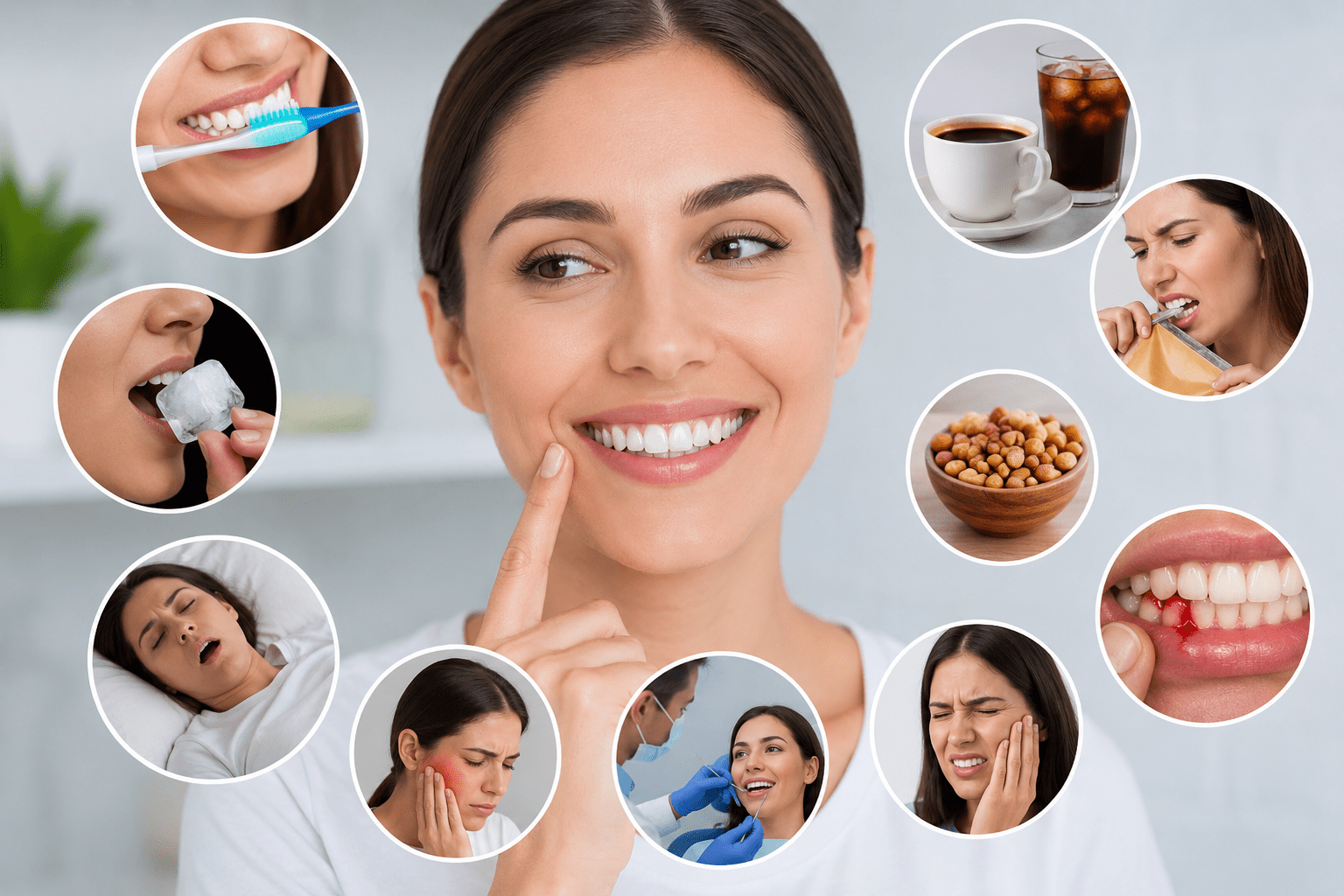
Most people don’t just wake up one morning with a dental problem. Typically, things like cavities, sensitive teeth, gum disease, and worn-down teeth take time to develop months or even years, really. At the Best Dental Hospital in Bachupally, we often find that these issues are linked to everyday habits that seem harmless at first. Taking care of those little things can make a big difference in maintaining long-term oral health.
A few weeks back, a young IT professional walked into our clinic, looking pretty worried. He shared that he felt sharp, biting pain every time he drank cold water. At first, he thought it might be a cavity causing all that discomfort. But after we took a closer look, we found out it was something a bit different. Years of aggressive brushing had worn down the enamel along his gum line, leaving some sensitive parts of his teeth exposed. This really drove home the point about how important it is to be gentle with your oral care to keep your teeth healthy. Situations like this are more common than you might think. As dental professionals, we often see patients who really do their best to take care of their teeth but end up picking up habits that can lead to long-term problems.
Here are ten daily habits that may be affecting your oral health without you even realising it.
1. Brushing Harder Than Necessary
Many people believe that applying more pressure while brushing results in cleaner teeth. Unfortunately, teeth don’t work that way.
Think of enamel as a protective shield. While it is the hardest substance in the human body, it is not indestructible. Brushing aggressively day after day can gradually wear down this protective layer and cause the gums to recede.
Ironically, some of the patients who develop sensitivity are those who are trying their hardest to maintain excellent oral hygiene.
A soft-bristled toothbrush and gentle technique are usually far more effective than forceful scrubbing.
2. Sipping Tea, Coffee, or Soft Drinks Throughout the Day
In many Indian households, tea and coffee are a part of daily life. The issue isn’t necessarily drinking them—it’s sipping them continuously for hours.
Every time you take a sip of a sugary or acidic beverage, the pH level inside your mouth changes. This creates an environment where enamel becomes more vulnerable to damage.
One cup consumed in fifteen minutes is generally less harmful than the same cup stretched over three hours.
The same principle applies to soft drinks, packaged juices, and energy drinks.
3. Using Teeth as Tools
It happens more often than people admit.
Opening snack packets, tearing tape, cracking nuts, or even removing bottle caps with teeth can place enormous pressure on them.
A patient came in with a chipped front tooth after attempting to open a plastic package at a family gathering. This minor mishap turned into an unexpected visit to the dentist. It’s a clear reminder that such situations can be easily avoided with a more careful approach.
Your teeth are designed for chewing food—not replacing scissors.
4. Constant Snacking
Healthy eating is important, but frequent snacking can create unexpected problems.
Every time food enters the mouth, bacteria begin breaking down sugars and carbohydrates, producing acids in the process. When snacking becomes constant, teeth spend much of the day under acid attack.
This doesn’t mean you should stop eating healthy snacks. It simply means allowing some time between meals gives your mouth a chance to recover naturally.
5. Ignoring Occasional Bleeding Gums
Many people notice a little blood while brushing and assume it’s normal. However, healthy gums should not bleed. Even occasional bleeding can be an early sign of gum inflammation. If left untreated, this inflammation may progress into more serious periodontal problems.
The challenge is that gum disease often develops silently. Patients frequently experience minimal discomfort until significant damage has already occurred.
6. Chewing Ice
This habit often surprises people.
Since Ice contains no sugar, many assume it is harmless. However, its hardness can create microscopic cracks in tooth enamel.
Over time, repeated stress can weaken teeth and increase the risk of fractures.
Dentists often see cracked fillings and damaged teeth linked to habitual ice chewing.
Why Preventive Care Matters at the Best Dental Hospital in Bachupally
7. Skipping Regular Dental Checkups Because Nothing Hurts
One of the biggest misconceptions in dentistry is that pain is the first sign of a problem.
In reality, many dental conditions remain painless during their early stages. Small cavities, early gum disease, and enamel erosion can progress quietly for months.
By the time discomfort appears, treatment may become more complicated.
This is one reason why preventive dental care remains so important. Early diagnosis often means simpler, more comfortable treatment.
8. Clenching Your Teeth During StressStress affects the body in many ways, including oral health.
Some people clench or grind their teeth while concentrating, working, driving, or sleeping. Many are completely unaware they are doing it.
One patient who worked long hours in the technology sector complained of recurring headaches and jaw tightness. After evaluation, the real cause turned out to be night time teeth grinding.
The constant pressure had already started wearing down the chewing surfaces of the teeth.
Managing stress and addressing grinding habits early can help prevent long-term damage.
9. Mouth BreathingWhether caused by allergies, sinus issues, or sleeping habits, mouth breathing can reduce moisture levels inside the mouth.
Saliva serves an important protective function. It helps neutralise acids, wash away food particles, and reduce bacterial growth.
When the mouth remains dry for long periods, the risk of cavities and gum problems increases.
Many patients never connect chronic dry mouth with their dental concerns until it is pointed out during an examination.
10. Delaying Treatment After Symptoms AppearThis is perhaps the most common habit dentists encounter.
Patients often notice sensitivity, mild discomfort, food getting stuck between teeth, or occasional swelling. Because the symptoms come and go, treatment gets postponed.
Unfortunately, dental problems rarely fix themselves.
A small cavity today may become a root canal procedure later. Minor gum inflammation may develop into more advanced periodontal disease.
Addressing concerns early is usually simpler, less invasive, and more affordable.
Small Habits Create Big Results
Over the years, one thing we’ve noticed time and again is that dental health isn’t usually affected by a single incident. More often, it’s the result of small everyday habits that slowly add up over time. The way you brush, what you snack on, and how often you visit the dentist—these seemingly minor choices can have a lasting impact on your teeth and gums.
According to Dr Phani Praneetha, many dental problems that require treatment today could have been prevented with early attention and regular care. That’s why simple preventive measures often make a bigger difference than people realise.
Many people looking for the Best Dental Hospital in Bachupally expect oral health to depend mainly on treatments and technology. While modern dentistry certainly helps, maintaining a healthy smile starts long before a patient sits in a dental chair. Consistent oral hygiene, routine dental visits, and paying attention to early signs of trouble remain just as important.
Today, getting dental care has also become much more convenient for patients. With advanced diagnostic tools, customised treatment plans, flexible appointment scheduling, and flexible payment options, maintaining good oral health is easier to fit into everyday life than ever before.
Protect Your Smile with Healthy Habits: Advice from the Best Dental Hospital in Bachupally
Final Thoughts
The habits that damage teeth are not always obvious. In many cases, they are routines we repeat every day without giving them a second thought.
The encouraging news is that small changes can have a lasting impact. Brushing gently, reducing constant snacking, avoiding unnecessary strain on teeth, and seeking professional advice when symptoms appear can significantly improve long-term oral health.
Your smile doesn’t depend on perfection. It depends on consistency. The choices you make today may determine the health of your teeth and gums for years to come.