
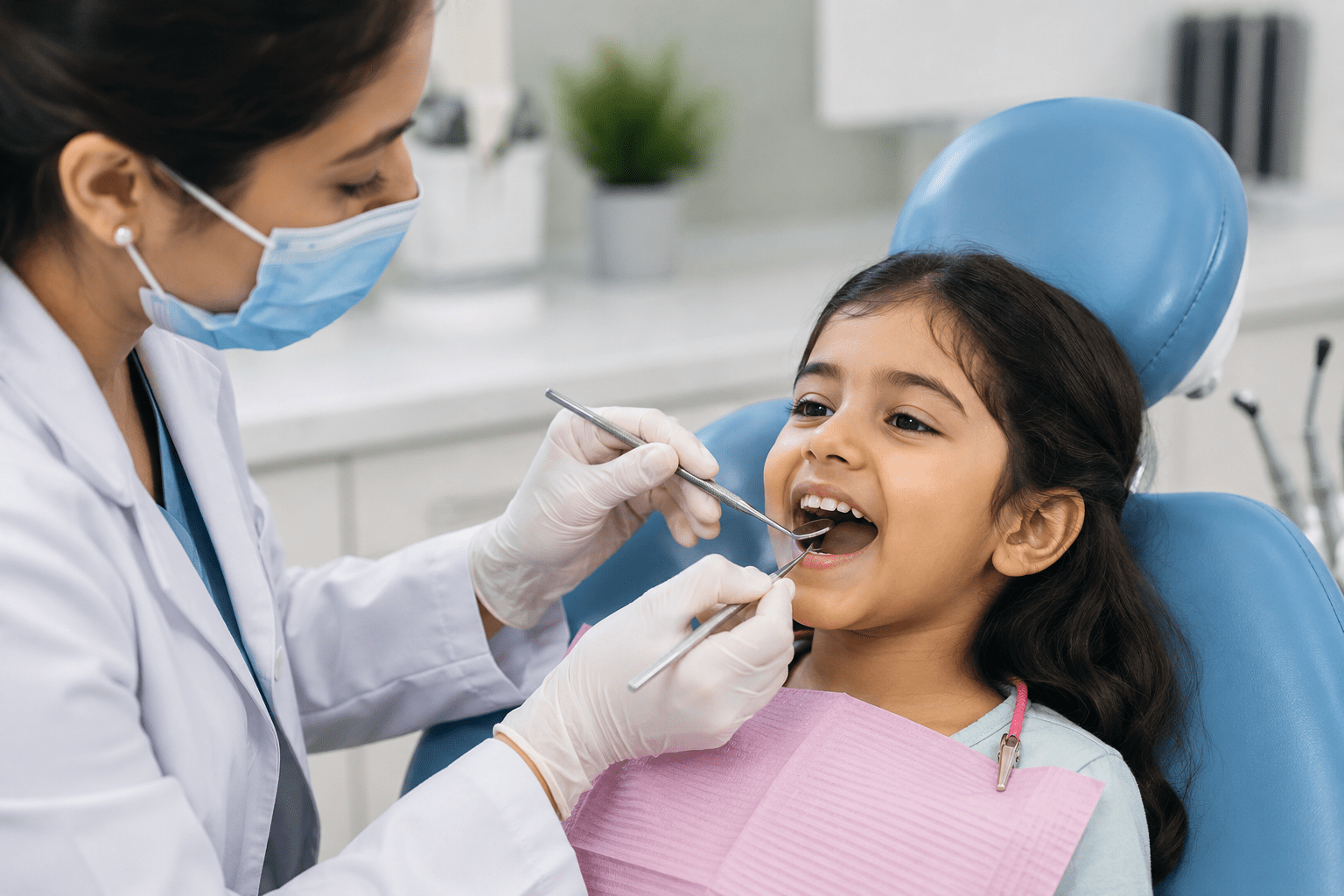
Watching your child smile is one of life’s happiest moments. Those tiny baby teeth may seem temporary, but they play a big role in your children’s overall health, speech development, and confidence. Many parents assume that because baby teeth eventually fall out, cavities don’t need immediate attention. Unfortunately, that’s one of the biggest misconceptions about children’s oral health.
A minor area of tooth decay may not seem serious at first, but without timely care, it can gradually worsen and lead to pain, swelling, or damage to the tooth. It can affect eating habits, disturb sleep, and even impact the development of permanent teeth. The good news is that most cavities in children can be prevented with simple daily habits, healthy food choices, and regular dental check-ups.
As parents become more aware of children’s oral health, early prevention has become just as important as treatment. Understanding why cavities develop and recognising the warning signs early can save your child from unnecessary pain and more complex dental procedures later.
In this guide, we’ll explain everything parents need to know about cavities in children, from their causes and symptoms to treatment options and practical prevention tips.
What Are Cavities in Children?
Cavities in children are permanently damaged areas on the surface of a tooth that gradually develop into tiny holes. Instead of developing overnight, cavities in children usually form gradually. Tiny germs that naturally live inside the mouth feed on leftover food, especially sugary snacks and drinks. As they break down these food particles, they create harmful substances that slowly wear away the outer surface of the teeth, making small holes over time.
Children are more likely to develop cavities because they often enjoy sugary snacks, chocolates, biscuits, flavoured milk, fruit juices, and sticky candies. Combined with incomplete brushing habits, these foods create an ideal environment for cavity-causing bacteria.
Although baby teeth are temporary, they have very important functions. They help children chew food properly, speak clearly, and maintain space for permanent teeth. Ignoring tooth decay in baby teeth can lead to pain, infection, difficulty eating, and problems with the alignment of adult teeth later.
For this reason, dentists recommend treating cavities as early as possible instead of waiting for baby teeth to fall out naturally.
What Causes Cavities in Children?
There isn’t just one reason why cavities develop. Usually, several factors work together over time.
Frequent Sugar Consumption
Every time your child eats sugary food or drinks sweet beverages, bacteria feed on the sugar and release acids that weaken tooth enamel. Frequent snacking throughout the day gives these acids more opportunities to damage teeth.
Poor Brushing Habits
Young children often miss certain areas while brushing. Plaque continues to build up around the teeth and gums, increasing the risk of cavities.
Parents should supervise brushing until children are able to clean every tooth effectively on their own.
Sleeping with a Milk Bottle
One of the most common causes of early tooth decay is allowing children to sleep with bottles containing milk, formula, or juice. During sleep, saliva production decreases, allowing sugars to remain on the teeth for several hours.
Lack of Fluoride
One of fluoride’s biggest benefits is that it helps keep children’s teeth strong, reducing the chances of tooth decay as they grow. Without adequate fluoride exposure, children’s teeth become more vulnerable to decay.
Irregular Dental Visits
Many parents visit the dentist only after their child starts complaining of pain. However, regular dental check-ups allow dentists to detect small cavities before they become serious problems.
Common Symptoms of Cavities in Children
Not every cavity causes pain in the beginning. That’s why parents should look for early warning signs instead of waiting for severe discomfort.
Some common symptoms include:
- White or brown spots on the teeth
- Small holes or pits
- Sensitivity to cold or sweet foods
- Pain while chewing
- Bad breath that doesn’t improve
- Swollen gums near a tooth
- Food getting stuck between teeth
- Toothache, especially at night
Some children may also become irritable, avoid eating on one side of the mouth, or complain about discomfort while brushing.
If you notice any of these symptoms, it’s best not to delay a dental examination.
Why Early Treatment Matters
Many parents ask, “They’re baby teeth anyway—why treat them?”
The answer is simple: healthy baby teeth are essential for healthy permanent teeth.
Untreated cavities in children can lead to:
- Severe tooth pain
- Dental abscesses
- Difficulty eating nutritious foods
- Speech development issues
- Premature loss of baby teeth
- Misalignment of permanent teeth
- Reduced confidence because of damaged teeth
Early treatment is usually simpler, quicker, and more comfortable than waiting until the cavity becomes larger.
Treatment Options for Cavities in Children
The most appropriate treatment is chosen only after a complete dental examination. Factors such as the size of the cavity, the child’s age, and the condition of the tooth all play an important role.
Tooth-Colored Fillings
For small cavities, the damaged part of the tooth is cleaned, and a tooth-colored filling is placed to restore its shape and function.
Tooth Extraction
If the tooth cannot be saved, extraction may be required. In some cases, the dentist may also recommend a space maintainer to ensure permanent teeth erupt in the correct position.
How to Prevent Cavities in Children
The good news is that most cavities in children can be prevented with a few simple daily habits. Prevention not only keeps your child’s teeth healthy but also helps avoid unnecessary pain, dental procedures, and expensive treatments later.
Here are some practical ways parents can protect their child’s smile:
Encourage Proper Brushing
Children should brush their teeth twice a day using a soft-bristle toothbrush and a fluoride toothpaste recommended for their age. Parents should supervise brushing until children can clean all surfaces of their teeth effectively, usually around the age of seven or eight.
Limit Sugary Foods and Drinks
Candies, chocolates, cookies, sugary cereals, soft drinks, and packaged fruit juices increase the risk of tooth decay. Instead of offering sugary snacks throughout the day, encourage healthier alternatives like fresh fruits, vegetables, cheese, yoghurt, and nuts (if age-appropriate).
Make Water the Preferred Drink
Water helps wash away food particles and reduces the amount of sugar left on the teeth. Drinking water after meals is a simple habit that supports good oral hygiene.
Never Let Children Sleep with a Bottle
If your child still uses a bottle, avoid filling it with milk, juice, or sweetened drinks at bedtime. Prolonged exposure to sugar while sleeping is one of the leading causes of early childhood tooth decay.
Schedule Regular Dental Check-ups
Routine dental visits allow small problems to be identified before they become painful. Professional cleanings and preventive treatments can significantly reduce the risk of cavities.
Foods That Help Keep Children’s Teeth Healthy
A balanced diet plays an important role in protecting your child’s teeth.
Foods that support healthy teeth include:
- Milk, cheese, and yoghurt for calcium
- Leafy green vegetables
- Apples and pears
- Carrots and cucumbers
- Eggs
- Fish rich in vitamin D
- Whole grains
- Plenty of water
Sticky sweets, sugary beverages, and frequent snacking should be limited because they allow bacteria to produce acids that damage tooth enamel.
Healthy eating habits combined with good oral hygiene create the strongest defence against cavities.
When Should You Search for a Kids Dentist Near Me?
Parents often wait until their child complains of pain before visiting a dentist. Unfortunately, by that stage, the cavity may already require more extensive treatment.
You should consider visiting a kids dentist near me if your child experiences:
- Tooth pain or sensitivity
- Brown, black, or white spots on teeth
- Swollen or bleeding gums
- Difficulty chewing
- Persistent bad breath
- Loose or broken teeth
- Mouth injuries
- Delayed tooth eruption
It’s essential to schedule regular dental check-ups every six months, even if your child seems fine. These preventive visits are crucial for monitoring their oral development and catching any potential issues early on, ensuring a healthy smile!
Why Choose Boppana Dental Care for Kids’ Dental Care in Bachupally?
Finding the right dental clinic for your child involves more than simply treating cavities. Children need a friendly environment where they feel safe, comfortable, and encouraged to build positive dental habits.
At Boppana Dental Care, every child receives personalised attention in a calm and welcoming setting. The clinic focuses on preventive dentistry, early diagnosis, and gentle treatment approaches that help reduce fear and anxiety during dental visits.
From routine check-ups and fluoride applications to cavity treatment and preventive guidance, the team is committed to providing quality kids’ dental care in Bachupally for children of all ages.
Parents looking for the best dental care in Hyderabad often value clinics that combine advanced technology with compassionate care. By educating families about proper brushing, nutrition, and regular dental visits, Boppana Dental Care aims to support healthy smiles that last a lifetime.
Final Thoughts
Healthy baby teeth are the foundation of a healthy adult smile. Although they eventually fall out, they play an essential role in eating, speaking, and guiding permanent teeth into their proper position. Ignoring cavities in children can lead to unnecessary pain, infections, and future dental complications.
Fortunately, most cavities can be prevented through good oral hygiene, healthy eating habits, fluoride protection, and regular dental visits. As a parent, paying attention to early warning signs and seeking professional advice when needed can make a significant difference in your child’s long-term oral health.
If you notice signs of tooth decay or it’s time for your child’s routine dental examination, visiting a trusted clinic that offers kids’ dental care in Bachupally can help ensure your child receives timely, comfortable, and effective treatment. Investing in preventive care today is one of the best ways to protect your children’s smiles for years to come.
Frequently Asked Questions (FAQs)
1.What are the first signs of cavities in children?
Early signs include white or brown spots on the teeth, sensitivity to sweets or cold foods, bad breath, and mild tooth pain.
2.Can cavities in baby teeth affect permanent teeth?
Yes. Untreated cavities can lead to infections, premature tooth loss, and may affect the alignment and health of permanent teeth.
3.How can I prevent cavities in my child?
Simple daily habits like brushing twice a day, offering healthier snacks, drinking plenty of water, and visiting the dentist regularly can greatly reduce the risk of cavities.
4.How often should children visit the dentist?
Most children should visit the dentist every six months for routine examinations and preventive care.
5.When should I search for a kids dentist near me?
Don’t wait until the pain becomes severe. If you notice changes in your child’s teeth or eating habits, visit a dentist. Regular dental visits can also help identify problems before they become serious.