
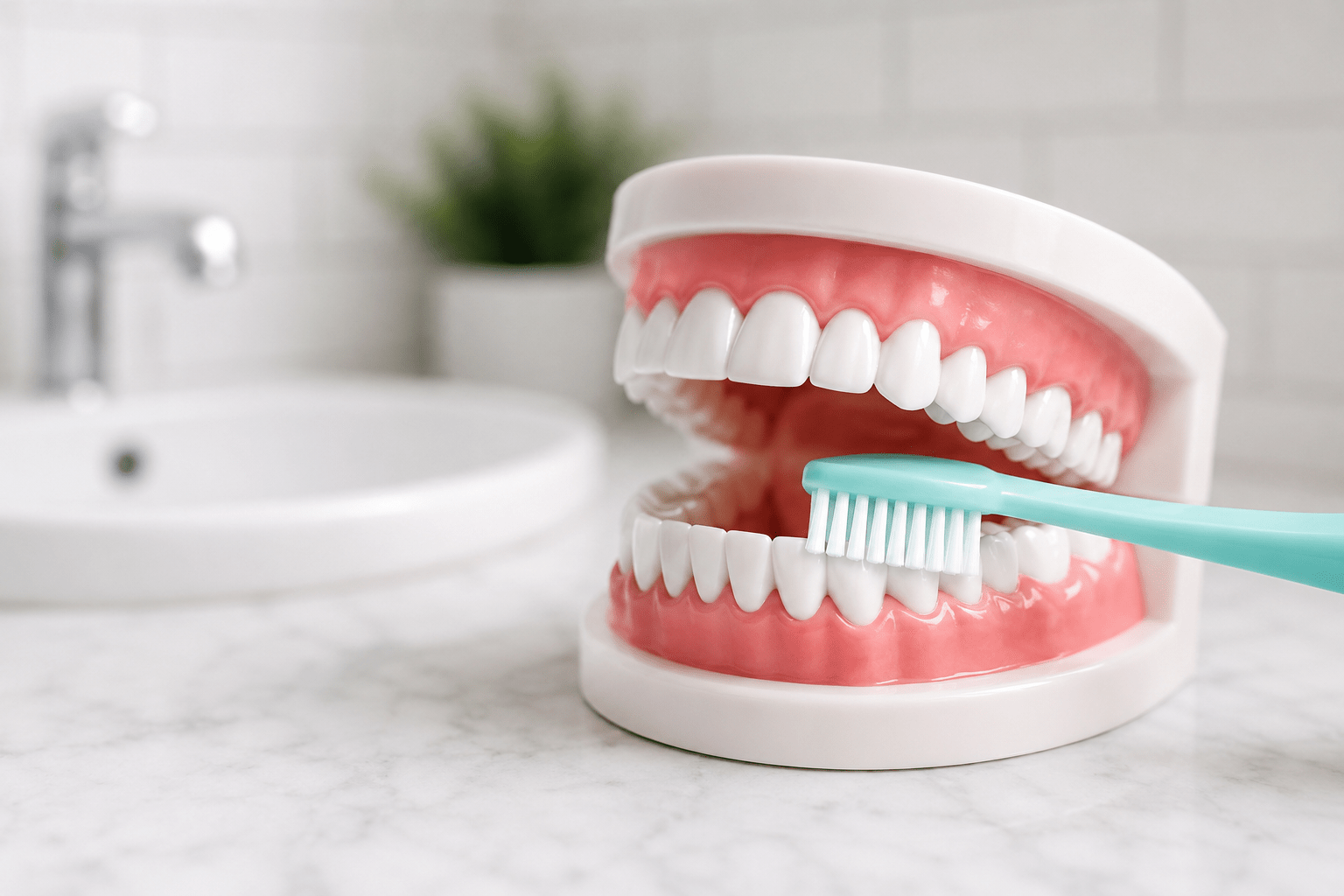
Brushing your teeth is one of the first healthy habits we learn as children. However, many people are surprised to find out that they have been brushing incorrectly for years. Using the wrong technique, brushing too hard, or rushing through the process can reduce the effectiveness of brushing and even harm your teeth and gums over time.
Learning how to brush properly is essential for maintaining good oral hygiene and preventing common dental problems like cavities, plaque buildup, gum disease, and bad breath. The good news is that proper brushing doesn’t require expensive tools or complicated techniques. A few simple changes to your daily routine can make a significant difference in your oral health.
Whether you’re teaching your child the correct way to brush or improving your own routine, this guide will help you understand the best brushing practices recommended by dental professionals.
Why Is Proper Brushing Important?
Your mouth naturally contains millions of bacteria. After eating and drinking, these bacteria mix with food particles and form a sticky layer called plaque. If plaque isn’t removed daily, it can harden into tartar, increasing the risk of tooth decay and gum disease.
Brushing properly helps you:
- Remove plaque before it causes damage.
- Prevent cavities and tooth decay.
- Protect your gums from infection.
- Reduce bad breath.
- Keep your smile brighter.
- Maintain healthy teeth for years.
Even if your teeth look clean, plaque can still hide between teeth and along the gum line. That’s why brushing correctly is just as important as brushing regularly.
How to Brush Properly: Step-by-Step
1. Choose the Right Toothbrush
A soft-bristled toothbrush is the best choice for most people. It cleans effectively while being gentle on your gums and tooth enamel. Select a brush with a head that comfortably reaches every area of your mouth, including the back teeth.
If you’re using an electric toothbrush, replace the brush head every three months or sooner if the bristles become worn.
2. Use Fluoride Toothpaste
Apply a pea-sized amount of fluoride toothpaste. Fluoride strengthens tooth enamel, helps repair early signs of decay, and provides extra protection against cavities.
Children should use age-appropriate toothpaste under adult supervision.
3. Hold the Toothbrush at the Correct Angle
Place your toothbrush at a 45-degree angle toward your gums. This position helps remove plaque from both the teeth and the gum line, where bacteria commonly accumulate.
4. Brush Using Gentle Circular Motions
Many people scrub their teeth aggressively from side to side, believing it cleans better. In reality, harsh brushing can wear down enamel and irritate the gums.
Instead:
- Use small circular motions.
- Clean the outer surfaces.
- Brush the inner surfaces.
- Brush the chewing surfaces.
- Pay extra attention to the back molars.
Gentle brushing is far more effective than forceful scrubbing.
5. Brush for Two Full Minutes
Dentists recommend brushing for at least two minutes twice every day.
A simple way to manage your time is by dividing your mouth into four sections and spending about 30 seconds on each section.
Many electric toothbrushes include built-in timers to help maintain the correct brushing duration.
6. Don’t Forget Your Tongue
Your tongue can collect bacteria that contribute to bad breath.
After brushing your teeth, gently clean your tongue using your toothbrush or a tongue scraper to keep your breath fresh.
Common Mistakes People Make While Brushing
Even people who brush every day can unknowingly make mistakes that reduce the effectiveness of their routine.
Some of the most common mistakes include:
- Brushing too hard.
- Brushing for less than two minutes.
- Using a hard-bristled toothbrush.
- Ignoring the gum line.
- Skipping the back teeth.
- Not replacing the toothbrush regularly.
- Brushing immediately after consuming acidic foods or beverages.
Correcting these habits can greatly improve your oral health over time.
How Often Should You Brush?
The general recommendation is simple:
- Brush twice every day.
- Brush once after waking up.
- Brush again before going to bed.
Night-time brushing is especially important because bacteria continue to multiply while you sleep. Going to bed without brushing allows plaque and food particles to remain on your teeth for several hours.
Brushing Alone Isn’t Enough
Although knowing how to brush properly is essential, brushing alone cannot remove plaque and food particles trapped between your teeth.
Daily flossing plays an equally important role in maintaining healthy gums and preventing cavities between teeth.
In the next section, we’ll discuss the correct way to floss, additional oral hygiene tips, and when you should visit a dentist for professional care.
Common Brushing Mistakes to Avoid
Even if you brush every day, a few common mistakes can reduce the effectiveness of your routine or even harm your teeth over time.
Brushing Too Hard
Many people believe that applying more pressure cleans better, but brushing aggressively can wear down enamel and irritate your gums. Gentle pressure is all you need.
Rushing Through Brushing
Brushing for less than two minutes often leaves plaque behind. Set a timer or use an electric toothbrush with a built-in timer to ensure you’re brushing long enough.
Forgetting the Back Teeth
The molars at the back of your mouth are easy to miss, but they’re also where food particles often get trapped. Give these teeth the same attention as your front teeth.
Using an Old Toothbrush
A worn-out toothbrush cannot clean effectively. Replace your toothbrush every three months or sooner if the bristles become frayed.
Skipping Your Tongue
Bacteria can build up on your tongue and contribute to bad breath. Gently brushing your tongue helps keep your mouth feeling fresh.
Why Flossing Is Just as Important
Learning how to brush properly is only one part of maintaining good oral hygiene. Your toothbrush cannot clean the narrow spaces between your teeth, where plaque and food particles often collect.
Flossing once a day helps:
- Remove plaque between teeth.
- Reduce the risk of gum disease.
- Prevent cavities in hard-to-reach areas.
- Improve gum health.
- Keep your breath fresh.
If traditional floss is difficult to use, you can try floss picks or a water flosser after consulting your dentist.
Additional Tips for Better Oral Health
Healthy teeth require more than just brushing and flossing. Follow these habits to protect your smile every day:
- Drink plenty of water throughout the day.
- Limit sugary foods and soft drinks.
- Eat a balanced diet rich in fruits and vegetables.
- Avoid using your teeth to open packages or bite hard objects.
- Visit your dentist every six months for a professional check-up and cleaning.
These simple habits can make a big difference in maintaining healthy teeth and gums for years to come.
When Should You Visit a Dentist?
Even if you brush and floss regularly, professional dental check-ups remain essential. Dentists can identify early signs of cavities, gum disease, and other oral health concerns before they become more serious.
If you’re looking for the Best Dental Care in Bachupally, routine dental visits can help prevent many common dental problems. Families searching for a trusted Family Dental Clinic in Bachupally can benefit from regular preventive care for every age group. Choosing the Best Dentist in Bachupally or a Best Dentist Doctor in Hyderabad ensures you receive expert guidance tailored to your oral health needs.
Keep Your Smile Healthy with Expert Dental Care
Knowing how to brush properly is one of the easiest ways to maintain a healthy smile. By following the correct brushing technique, flossing every day, eating a balanced diet, and visiting your dentist regularly, you can reduce the risk of cavities, gum disease, and other dental issues.
At Boppana Dental Care, we believe that prevention is the key to lifelong oral health. Whether you need a routine dental check-up, professional cleaning, or personalized advice on improving your oral hygiene, our experienced team is here to help. Schedule your appointment today and take the first step toward a healthier, brighter smile.
Frequently Asked Questions (FAQs)
1. How to brush properly for healthy teeth?
Hold your toothbrush at a 45-degree angle to your gums and use gentle circular motions. Brush every surface of your teeth for at least two minutes, twice a day, using fluoride toothpaste.
2. How many times should I brush my teeth each day?
Most dentists recommend brushing twice a day—once in the morning and once before going to bed. This helps remove plaque and keeps your mouth healthy.
3. Is flossing necessary if I brush properly?
Yes. Brushing cleans the visible surfaces of your teeth, while flossing removes plaque and food particles from between your teeth where a toothbrush cannot reach.
4. When should I replace my toothbrush?
Replace your toothbrush every three months or earlier if the bristles become worn, bent, or frayed.
5. How often should I visit a dentist?
Regular dental check-ups every six months are recommended. Professional cleanings and early detection of dental problems help maintain healthy teeth and gums.